Freshly Picked Florals: The Value of Partnering with Local Flower Farms


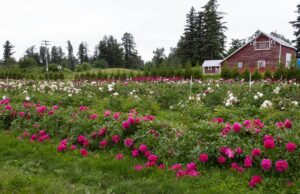
Flowers have long been a symbol of beauty, celebration, and connection. In recent years, many florists and floral designers have begun to rethink where their flowers come from and how they are sourced. Instead of relying entirely on global wholesalers, more professionals are building relationships with local flower farms.
This shift reflects a growing appreciation for sustainability, freshness, and community. Local flower farming allows florists to create arrangements that feel more natural, seasonal, and distinctive. The journey from garden to vase becomes shorter, more transparent, and far more meaningful for everyone involved.
Why Local Flower Farms Matter in Modern Floral Design
Local flower farms play an increasingly important role in the floral industry. These farms grow flowers specifically for nearby markets, supplying florists, event designers, and sometimes direct customers. Because the flowers are harvested locally, they arrive fresher and with less handling than imported blooms.
Freshness makes a noticeable difference in both appearance and longevity. Flowers cut at the right stage of bloom maintain stronger stems, richer colors, and longer vase life. This quality helps florists deliver arrangements that look vibrant and last longer for their clients.
Freshness That Transforms Floral Arrangements
One of the most obvious advantages of working with local flower farms is the freshness of their products. Imported flowers are often harvested early to survive long transportation times, which can affect their development and durability. Local flowers, however, are typically cut just before delivery.
Because they travel only a short distance, these blooms maintain their natural structure and vitality. Florists frequently notice stronger petals, fuller blossoms, and improved fragrance when using flowers grown nearby. This enhanced freshness elevates the overall quality of floral designs.
Customers also notice the difference when flowers stay beautiful for several days longer. Whether the arrangement is for a home, a wedding, or a special event, the extended vase life adds value and satisfaction for the recipient.
Celebrating the Beauty of Seasonal Flowers
Working with local farms naturally encourages florists to embrace seasonal flowers. Each season offers its own unique palette of colors, shapes, and textures that cannot be replicated year-round. Spring introduces delicate blooms such as tulips, anemones, and lilacs.
Summer brings bold flowers like zinnias, cosmos, and dahlias that thrive in warm weather. Autumn offers rich tones through chrysanthemums, marigolds, and ornamental grasses. Winter arrangements may feature evergreens, hellebores, and other cold-tolerant varieties.
Seasonal designing allows floral arrangements to feel more connected to the environment. Customers often enjoy seeing flowers that reflect the season. The result is a design style that feels natural, timely, and authentic.
Supporting Local Agriculture and Small Businesses
When florists purchase flowers from nearby farms, they help support local agriculture. Flower farming is often a small-scale business that requires careful planning, seasonal labor, and dedication. By buying locally grown blooms, florists support these farms.
This support keeps money circulating within the local economy. Farmers can invest in improved growing methods, expand their crop production, and continue producing flowers for the community. In return, florists gain access to high-quality blooms that strengthen their own businesses.
Local partnerships also help preserve farmland. As urban development increases, agricultural land sometimes disappears. Flower farms provide an incentive to maintain productive land and encourage sustainable agricultural practices.
Unique Flowers That Inspire Creative Designs
Local flower farms often grow varieties that are difficult to ship long distances. These flowers may have delicate petals, unusual shapes, or strong fragrances that would not survive extended transportation. Because of this, farmers can focus on beauty rather than durability.
Florists who work with these farms gain access to distinctive blooms that stand out from common wholesale options. Specialty dahlias, heirloom roses, and unusual filler flowers add texture and depth to arrangements.
These unique varieties inspire creativity in floral design. Instead of repeating standard arrangements, designers can experiment with new color combinations and unexpected textures. The results are arrangements that feel fresh, artistic, and personal.
Environmental Advantages of Local Flower Sourcing
The environmental benefits of local flower farming are another important factor. Imported flowers may travel thousands of miles by plane, truck, and refrigerated storage facilities. This process consumes large amounts of energy and produces significant carbon emissions.
Local flowers reduce this environmental footprint because they travel shorter distances. Transportation is simpler, packaging is often reduced, and refrigeration needs are lower. This results in a smaller overall environmental impact.
Many local flower farms also prioritize eco-friendly practices. These may include composting, reduced pesticide use, and soil health management. Florists who source from these farms can feel confident that their flowers are grown with care for the environment.
Greater Transparency in Flower Production
Working with local flower farms offers a level of transparency that is difficult to achieve through large supply chains. Florists often have the opportunity to visit farms, observe growing conditions, and understand how flowers are cultivated.
This transparency builds trust between growers, designers, and customers. Knowing where the flowers come from and how they are grown creates confidence in the product. It also allows florists to share meaningful stories with their clients.
Customers increasingly value products with clear origins. When a florist can explain that the flowers were grown nearby by a local farmer, the arrangement gains an added layer of authenticity and connection.
Building Community Through Local Flowers
Local flower farms help create a sense of community around floral culture. Many farms host seasonal markets, bouquet workshops, or pick-your-own flower events. These activities invite people to experience the beauty of flowers directly from the field.
Florists who partner with these farms often participate in community events or collaborate on educational programs. This shared effort strengthens connections between farmers, designers, and customers.
As people become more aware of where their flowers come from, they develop a deeper appreciation for the work that goes into each bloom. The path from garden to vase becomes more than a supply chain. It becomes a story of local craftsmanship, creativity, and community pride.