From Soil to Stem: A Fresh Approach to Partnering with Local Flower Farms


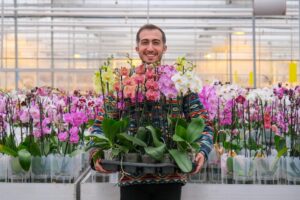
Flowers carry stories, and when you source them locally, those stories feel even more meaningful. Local flower farms bring freshness, sustainability, and community connection into every bouquet. As more people seek eco-friendly and ethical options, working directly with nearby growers has become increasingly popular. Moreover, choosing local flowers not only supports small businesses but also ensures higher-quality blooms that last longer in your vase. This article explores how you can successfully move flowers from the garden to the vase while building a strong relationship with local farms.
Understanding the Value of Local Flower Farms
Local flower farms offer more than just beautiful blooms; they provide a deeper connection to nature and community. In fact, these farms often grow seasonal flowers that thrive naturally in your region, resulting in healthier and more vibrant stems. Additionally, local farmers typically avoid excessive chemical use, making their flowers safer for the environment and your home.
Furthermore, working with local farms reduces the carbon footprint associated with long-distance transportation. Imported flowers often travel thousands of miles before reaching consumers, which impacts freshness and sustainability. By contrast, locally sourced flowers arrive quickly and maintain their natural fragrance and color. As a result, you enjoy a product that feels fresher and more environmentally responsible.
Building Relationships with Growers
Establishing a strong relationship with local flower farmers can greatly enhance your floral experience. To begin with, visiting farms or farmers’ markets allows you to meet growers face-to-face and learn about their practices. This direct interaction builds trust and helps you understand the care that goes into each bloom. Moreover, farmers often share insights about flower varieties and seasonal availability, which can guide your purchasing decisions.
In addition, maintaining regular communication with growers can lead to better deals and exclusive access to unique flowers. Many farmers appreciate loyal customers and may offer custom orders or early picks. Consequently, you gain access to fresher and more diverse selections while supporting their business. Over time, this partnership becomes mutually beneficial and deeply rewarding.
Choosing Seasonal Blooms
Selecting in-season flowers is crucial when working with local farms. Seasonal blooms flourish naturally without artificial enhancements, making them more vibrant and long-lasting. For example, spring brings tulips and daffodils, while summer offers sunflowers and zinnias. Therefore, aligning your choices with the season ensures optimal quality.
Additionally, seasonal flowers are often more affordable because they are readily available. This affordability allows you to experiment with different arrangements without overspending. At the same time, you support sustainable farming practices by promoting natural growing cycles. Ultimately, choosing seasonal blooms enhances both the beauty and value of your arrangements.
Harvesting and Handling with Care
Proper harvesting and handling techniques significantly impact the longevity of your flowers. When you pick flowers directly from a local farm, timing becomes essential. Ideally, you should harvest blooms early in the morning or late in the evening when temperatures are cooler. This practice helps preserve their freshness and prevents wilting.
Moreover, handling flowers gently during transportation is equally important. Using clean buckets with fresh water and trimming stems at an angle can extend their lifespan. In addition, removing excess leaves prevents bacterial growth in the water. As a result, your flowers remain vibrant and healthy longer once they reach your vase.
Arranging Flowers for Maximum Impact
Creating stunning arrangements requires both creativity and technique. To start, consider the shape and size of your vase when selecting flowers. Taller stems work well in narrow vases, while fuller blooms suit wider containers. Furthermore, mixing textures and colors adds depth and visual interest to your arrangement.
At the same time, balance plays a key role in achieving a harmonious look. Placing larger flowers as focal points and surrounding them with smaller blooms creates a natural flow. Additionally, incorporating greenery enhances the overall design and provides contrast. Consequently, your arrangement looks more dynamic and professionally crafted.
Extending the Life of Your Bouquet
Keeping your flowers fresh for as long as possible requires consistent care. First, changing the water every two to three days prevents bacterial buildup. Adding flower food or a simple sugar-and-vinegar mixture can also nourish the stems. Moreover, regularly trimming stems improves water absorption.
Equally important, placing your vase in a cool area away from direct sunlight and heat sources helps maintain freshness. Avoid placing flowers near ripening fruit, as the fruit emits ethylene gas that can accelerate wilting. Therefore, with proper care and attention, your locally sourced flowers can stay beautiful for an extended period.
Supporting Sustainability and Community
Working with local flower farms contributes to a more sustainable and connected community. By purchasing locally grown flowers, you reduce reliance on imports and support eco-friendly practices. Additionally, many small farms use organic methods that protect soil health and biodiversity.
At the same time, your support helps sustain local economies and preserves agricultural traditions. Farmers can continue growing diverse flower varieties and maintaining their land. As a result, you become part of a cycle that values quality, sustainability, and community engagement. This connection makes every bouquet more meaningful and impactful.
Choosing to work with local flower farms transforms the simple act of arranging flowers into a richer and more intentional experience. From understanding seasonal blooms to building relationships with growers, each step adds value to the final result. Ultimately, when you bring flowers from the garden to a vase, you bring a piece of your local landscape into your home—fresh and full of life.