Inside the Role of an Event Designer Behind the Scenes


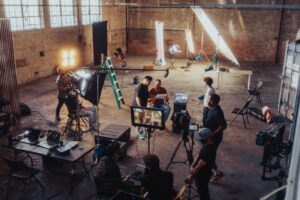
An event designer shapes how an event looks, feels, and flows from start to finish. Their work goes far beyond decoration. They build an experience that connects space, emotion, and storytelling. Every choice they make influences how guests respond the moment they enter a venue.
Most people only see the final setup, but the real work happens long before that. Event designers plan ideas, test visual directions, coordinate teams, and refine details many times. They stay involved until the last guest leaves because the experience must remain consistent from beginning to end.
Understanding What an Event Designer Really Does
An event designer is responsible for the creative direction of an event. They decide how everything will look and feel, including colors, textures, lighting, and layout. Their goal is to create a unified experience that matches the purpose of the event.
They do not focus on scheduling or logistics alone. Instead, they focus on emotional impact. They ask how a space should feel when someone walks in. They think about first impressions, movement, and atmosphere. Every decision supports the story the event wants to tell.
They also translate abstract ideas into visual reality. A client may describe a feeling or theme, but the designer turns that into a structured plan. This transformation is where creativity meets practical execution.
Turning Client Ideas into a Clear Visual Direction
Every event starts with a conversation. The event designer listens carefully to the client’s ideas, goals, and expectations. This stage is important because it sets the foundation for everything that follows.
Clients often speak in emotions rather than design terms. They may want something elegant, energetic, or meaningful. The designer interprets these feelings and turns them into a visual direction. They begin shaping ideas into colors, shapes, and styles that match the message.
After this, they create a visual concept that guides the project. They may prepare mood references, sample visuals, and simple sketches. These tools help everyone understand the same vision before any physical work begins. It reduces confusion and builds confidence in the direction.
Planning Space to Control Flow and Experience
Space planning is one of the most important parts of event design. The designer studies the venue carefully. They observe entrances, exits, open areas, and fixed structures. Every detail matters because it affects how people will move. They decide where guests will gather, sit, and interact. They plan how the space will guide movement without confusion or crowding. A well-planned layout makes the event feel smooth and comfortable.
This process is not only about placement. It is also about experience. The designer thinks about how people will discover the event step by step. They control pacing through space, so guests feel guided instead of lost. Good space planning also improves engagement. When guests feel comfortable in their environment, they stay longer and enjoy more. This is why designers treat space like a story that unfolds as people move through it.
Building Mood Through Visual and Sensory Choices
Every event has a mood, and the designer is responsible for creating it. They choose lighting styles, colors, materials, and textures that match the emotional tone. These elements work together to shape how the space feels. Lighting plays a major role in this process. Soft lighting can create calmness and intimacy. Bright lighting can create energy and focus. The designer adjusts lighting to support the purpose of each part of the event.
Color is another powerful tool. Warm colors can feel inviting and emotional. Cool colors can feel modern and clean. The designer uses color to reinforce the message of the event without words. Textures and materials also matter. Fabric, wood, glass, and metal all change how a space feels. The designer blends these elements carefully so nothing feels random or disconnected.
Working With Teams That Build the Experience
Event designers rely on many specialists to bring their vision to life. These include lighting teams, decorators, florists, sound technicians, and builders. Each group plays a role in turning ideas into reality. The designer acts as the main creative guide. They explain how the event should look and feel. They provide clear visual references so teams understand the outcome. Communication is constant because small changes can affect the entire design.
During setup, the designer stays on site to supervise progress. They check alignment, spacing, and visual balance. If something does not match the vision, they adjust it immediately. This hands-on involvement ensures the final result stays true to the original plan. Teamwork is not just coordination. It is problem solving together under time pressure. The designer keeps everyone focused on the same goal, which is creating a complete and seamless experience for guests.
Managing Real Limits Without Losing Creativity
Every event has limits. These may include budget, space size, time, or material availability. The event designer must work within these limits while still maintaining creativity. This is where problem solving becomes important. Instead of rejecting ideas, the designer finds ways to adjust them. They may simplify a design, change materials, or modify layout to keep the concept strong.
Clients sometimes expect complex ideas that are difficult to execute. The designer guides them with honest feedback and practical alternatives. This helps protect both the vision and the success of the event. Balancing creativity and reality is a core part of the job. A strong designer knows how to keep the emotional impact even when adjustments are needed. They focus on what matters most: the guest experience.
Overseeing Setup and Final Event Delivery
On event day, everything comes together. The designer arrives early to check the entire setup. They review every detail, from lighting angles to table placement. Nothing is left unchecked because small issues can affect the full experience. They make final adjustments to improve balance and presentation. Sometimes they reposition elements or adjust lighting to improve flow. These changes ensure the space feels complete and intentional.
As guests arrive, the designer observes how people interact with the space. This helps them understand whether the design is working as planned. Even during the event, they remain alert and ready to fix any issue quickly. Their responsibility continues until the event ends. The final impression matters just as much as the first one. A successful event feels smooth from beginning to end without visible effort.
Skills That Shape a Strong Event Designer
An event designer needs both creativity and discipline. They must understand visual composition, space planning, and emotional design. These skills help them build environments that feel meaningful and well balanced. They also need strong communication skills. They work with many people and must explain ideas clearly. Miscommunication can affect the entire event, so clarity is essential at every step.
Time management is another important skill. Events run on strict deadlines, and delays can create problems. Designers must stay organized even when plans change quickly. Problem-solving is also a daily part of the job. Unexpected issues always appear during planning or setup. A strong designer stays calm and finds solutions without breaking the flow of the event.
The Real Impact of an Event Designer’s Work
The work of an event designer often goes unnoticed when done well. Guests simply enjoy the experience without thinking about the planning behind it. However, every detail they enjoy has been carefully designed.
A well-designed event creates emotion. It helps people connect with moments, brands, or celebrations in a deeper way. It turns space into memory and design into feeling. This is why event designers play such an important role in modern experiences. They do not just decorate events. They shape how people remember them long after they end.