Modern Meets Traditional: Exploring the Evolution of Cultural Celebrations in a Changing World


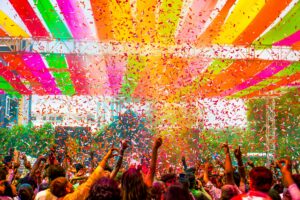
The evolution of celebrations reflects how traditions grow while remaining rooted in history. Today, communities blend old customs with new ideas, creating events that feel both familiar and fresh. This shift shows how people honor their heritage while adapting to modern life, especially through modern cultural celebrations that connect tradition with innovation. As technology, travel, and global connections expand, celebrations continue to transform. However, the heart of each event remains strong. Families still gather, stories still pass down, and values still shine through. Therefore, the evolution of celebrations does not erase the past but builds on it.
The Roots of Traditional Celebrations
Traditional celebrations began as ways to mark important moments in life. These events often followed seasonal changes, religious beliefs, or cultural milestones. For example, harvest festivals, weddings, and religious holidays held deep meaning in early societies. People gathered to express gratitude, share food, and strengthen community bonds. As a result, these traditions became central to cultural identity.
Over time, these practices shaped how communities saw themselves. However, traditions did not stay fixed. They changed slowly as societies grew and faced new challenges. Even so, the core values behind these celebrations remained the same. Respect, unity, and shared joy continued to guide these events. Therefore, traditional celebrations laid the strong foundation for future change.
The Influence of Modern Lifestyles
Modern lifestyles have brought new energy to cultural events. People now live in fast-paced environments, which changes how they celebrate. For instance, shorter work schedules and urban living often lead to smaller gatherings. However, people still find creative ways to keep traditions alive. They may celebrate on weekends or combine multiple events into a single event.
At the same time, modern tools make celebrations more accessible. Social media allows people to share moments instantly, while digital invitations replace paper cards. As a result, celebrations reach wider audiences than ever before. Although the format may change, the purpose remains clear. People still come together to celebrate identity and connection.
The Role of Technology in Celebrations
Technology plays a key role in the evolution of cultural celebrations. It allows people to connect across long distances, which keeps traditions alive even when families live apart. For example, virtual gatherings let loved ones join celebrations from around the world. This shift has made cultural events more inclusive.
Moreover, technology enhances the overall experience. Lighting, music systems, and digital displays create vibrant and engaging environments. However, it is important to balance technology with tradition. While modern tools add excitement, they should not replace meaningful rituals. Therefore, technology works best when it supports, not overshadows, cultural values.
Globalization and Cultural Exchange
Globalization has brought different cultures closer together. As people travel and interact more, they share traditions and ideas. This exchange enriches celebrations by introducing new elements. For example, fusion festivals may combine food, music, and clothing from different cultures. As a result, celebrations become more diverse and exciting.
However, this blending also requires care. It is important to respect the origins of each tradition. While innovation adds value, it should not erase cultural meaning. Communities must find a balance between sharing and preserving. Therefore, globalization can strengthen cultural celebrations when handled with respect and understanding.
The Importance of Community Involvement
Community involvement remains a key part of any celebration. People feel more connected when they actively take part in events. For example, local festivals often include group dances, shared meals, and volunteer work. These activities build strong social bonds and create lasting memories.
In modern times, community roles may shift, but their importance stays the same. Schools, organizations, and social groups often help organize events. This shared effort keeps traditions alive while adding new ideas. As a result, celebrations continue to grow and adapt. Community support ensures that cultural values remain strong across generations.
Preserving Cultural Identity Through Change
As celebrations evolve, preserving cultural identity becomes essential. Traditions carry stories, beliefs, and values that define a community. Therefore, people must protect these elements even as they adapt to modern life. This balance helps maintain authenticity while allowing growth.
Education plays a major role in this process. Parents, teachers, and leaders pass down knowledge through stories and practice. At the same time, younger generations bring fresh perspectives. This exchange keeps traditions relevant and meaningful. As a result, cultural identity remains strong even in a changing world.
The Future of Cultural Celebrations
The future of the cultural celebrations evolution looks bright and dynamic. As technology advances and global connections grow, celebrations will continue to change. However, the core purpose will remain the same. People will gather to share joy, honor traditions, and build connections.
Looking ahead, sustainability and inclusivity may shape future events. Communities may focus on eco-friendly practices and more inclusive participation. These changes reflect modern values while respecting tradition. Therefore, the evolution of celebrations will continue to blend the past with the future in meaningful ways.