Understanding Wedding Design Psychology for Personalized Celebrations


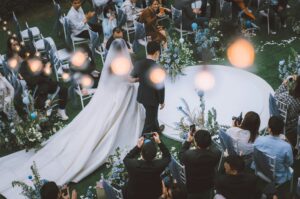
Weddings feel more meaningful when every detail connects with emotion, memory, and personal identity, which is why Wedding Design Psychology plays a key role in modern celebrations. As couples look for memorable experiences, they want designs that reflect their story instead of following trends. Therefore, planners and designers focus on how colors, textures, lighting, and layout shape emotions and guide guest experiences.
While tradition still matters, personalization now drives most decisions, which helps couples create events that feel authentic and memorable. In addition, understanding how people respond to design allows professionals to build environments that feel welcoming, joyful, and emotionally engaging from start to finish.
The Emotional Impact of Color Choices
Colors influence mood immediately, so they shape how guests feel as soon as they enter a wedding space. Warm tones such as gold, blush, peach, and ivory often create comfort, romance, and softness, while cooler shades like blue, silver, lavender, and sage bring calm, elegance, and refinement. Because of this, designers carefully select palettes that match the couple’s emotional goals, seasonal setting, and overall vision for the day.
At the same time, color combinations can guide attention and highlight key areas like the ceremony backdrop, reception stage, sweetheart table, or floral installations. Therefore, thoughtful use of contrast, balance, and harmony helps maintain visual flow while supporting the overall theme. As a result, guests experience a setting that feels cohesive, intentional, and emotionally aligned from beginning to end.
How Layout Shapes Guest Experience
The arrangement of space influences how guests move, interact, and connect throughout the event. Open layouts encourage natural conversation and social interaction, while structured seating plans provide a sense of order, comfort, and direction. Because of this, designers use layout strategies to support the desired atmosphere and make each part of the celebration feel smooth and welcoming.
Moreover, pathways, focal points, lounge areas, and seating zones help guide attention without confusion. When guests feel comfortable navigating the space, they engage more naturally with the ceremony, reception, and each other. Therefore, thoughtful spatial planning enhances both functionality and emotional flow during the celebration.
Personal Stories in Design Elements
Couples often want their wedding to reflect shared memories, values, and experiences, so designers incorporate meaningful details into the event. Personal photos, custom signage, heirloom pieces, favorite flowers, and symbolic decor create a deeper connection between the couple and their guests. As a result, the event feels more intimate, personal, and truly unique.
In addition, storytelling through design allows guests to understand the couple’s journey in a visual and emotional way. From the ceremony setup to the reception decor, every element can contribute to a cohesive narrative that feels authentic. Therefore, personalized design builds emotional engagement and creates lasting impressions.
Lighting and Its Influence on Mood
Lighting plays a powerful role in shaping atmosphere, as it can transform a space instantly and dramatically. Soft lighting creates warmth, romance, and intimacy, while brighter settings energize the environment and support celebration. Because of this, professional designers use lighting to match different moments of the event, from emotional vows to lively dancing.
Furthermore, transitions in lighting help signal changes throughout the celebration, such as moving from the ceremony to the dinner or from speeches to dancing. These subtle shifts guide emotions without requiring direct communication. Therefore, effective lighting design enhances both mood and flow seamlessly and memorably.
Texture and Sensory Engagement
Textures add depth to visual design while also creating a sensory experience for guests. Soft fabrics, natural materials, layered linens, floral arrangements, wood accents, and metallic finishes invite people to engage with the environment more closely. Because of this, texture plays a key role in creating a rich, immersive, and visually interesting setting.
At the same time, combining different textures helps avoid a flat or repetitive look. For example, pairing smooth glass with rustic wood or delicate lace with polished metal creates contrast that feels balanced and attractive. Therefore, thoughtful texture choices enhance both aesthetics and emotional response.
Understanding Client Vision Clearly
Successful design begins with understanding what the couple truly wants, not just what looks appealing. Designers often ask detailed questions about preferences, values, emotions, expectations, and inspiration to capture a clear vision. As a result, they can create a design that reflects the couple’s personality, story, and desired guest experience.
Moreover, active communication helps avoid misunderstandings and ensures that every detail aligns with the original concept. When clients feel heard, they trust the process more fully and feel more confident in design decisions. Therefore, clarity in vision leads to stronger outcomes, smoother planning, and higher satisfaction.
Creating Lasting Emotional Memories
A well-designed wedding stays in memory because it connects with emotion, not just appearance. Every design choice, from layout and color to lighting and texture, contributes to how guests feel during the event. Because of this, emotional impact becomes the ultimate goal of thoughtful wedding design.
Additionally, when all elements work together, the experience feels seamless, natural, and meaningful. Guests remember how the event made them feel, not only how it looked in photos. Therefore, Wedding Design Psychology helps create celebrations that remain special, personal, and memorable long after the day ends.
Cultural Meaning in Wedding Design
Cultural traditions often shape wedding design choices, as they carry deep symbolic meaning and emotional value. Colors, rituals, patterns, fabrics, music, and decorative elements can represent heritage, family values, spiritual beliefs, and shared history. Because of this, designers must understand cultural significance when creating personalized celebrations.
In addition, blending cultural elements with modern design allows couples to honor tradition while expressing individuality. This approach creates a meaningful balance that resonates with both older and younger generations. Therefore, cultural awareness strengthens emotional connection, authenticity, and respect within the wedding experience.